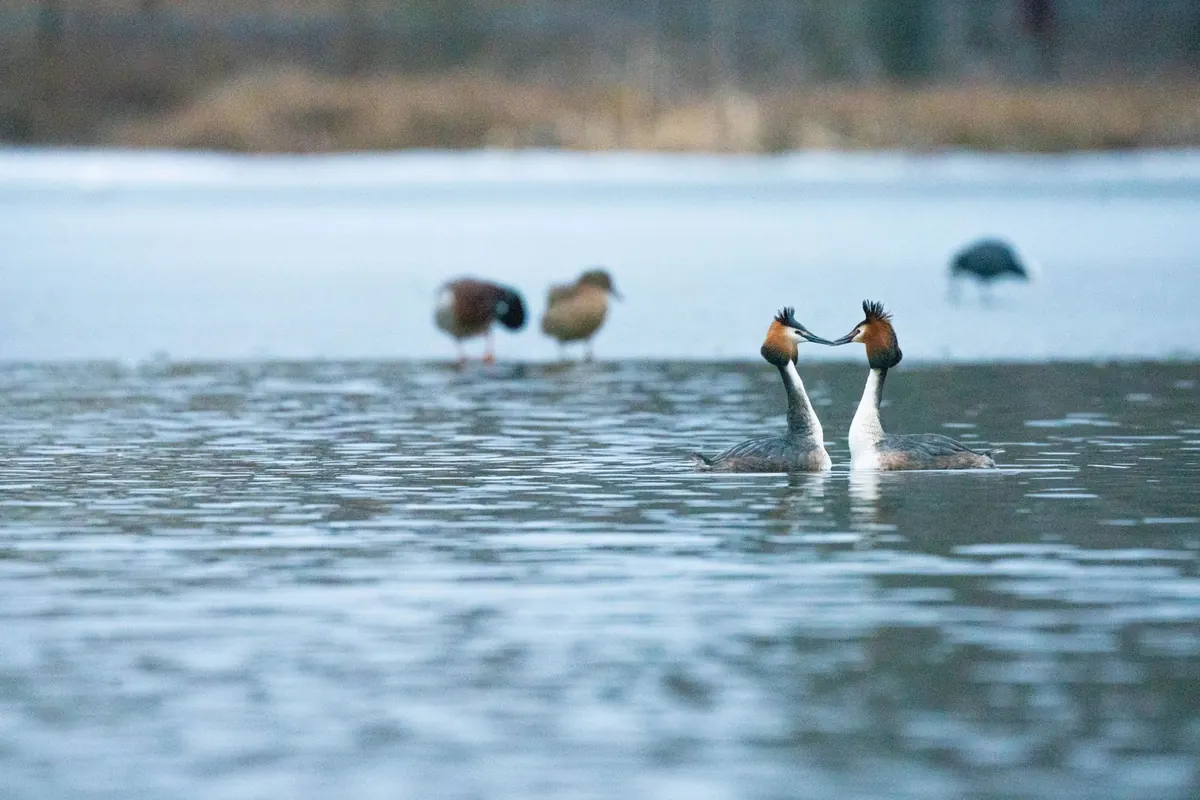


A Local Guide to Wetland Walks in the Somerset Levels
A practical guide to wetland walks in the Somerset Levels, with seasonal wildlife to look for and tips for visiting these fragile reserves responsibly.
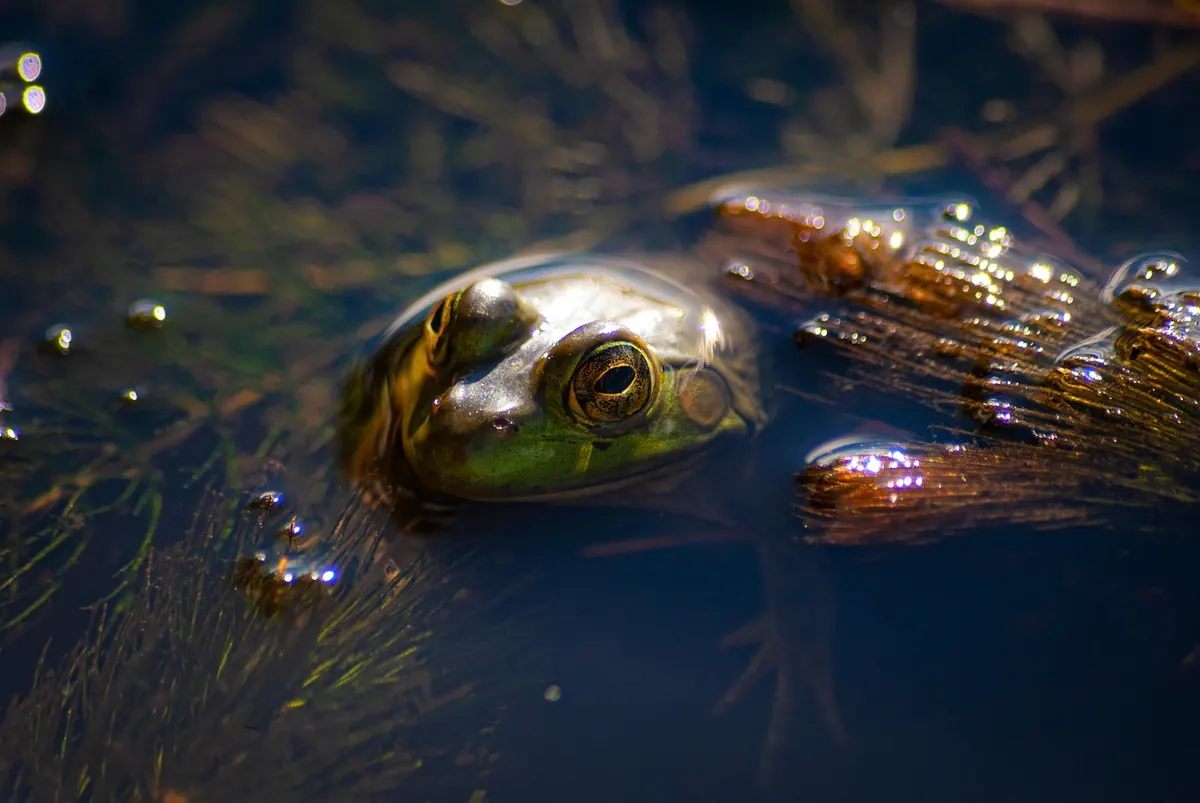
The Somerset Levels are one of the flattest, wettest and quietest landscapes in England: a patchwork of peat, rhynes, reedbed and willow, stitched together by droves that sit barely above the water table. Walking here isn't about summiting anything. It's about standing still on a hide bench while a bittern booms somewhere out in the reeds, or watching a sky full of starlings fold and unfold above you.
What follows is a handful of genuinely accessible routes around the Avalon Marshes and the wider Levels, what to look for as the seasons turn, and how to visit without disturbing the very thing you came to see.
Getting your bearings
The Avalon Marshes sit between Glastonbury, Street, Bridgwater and Wedmore. Ham Wall, Shapwick Heath, Westhay Moor and Catcott Lows all lie within a few miles of one another, most of them strung along the Ashcott to Glastonbury road, so you can combine two reserves in a morning without much driving.
The Avalon Marshes Centre, near Westhay, is the sensible first stop. There are toilets, a café, information boards and staff who will tell you honestly which paths are underwater that week. Paths across the reserves are largely level — gravel tracks, mown grass droves and boardwalk sections — and several hides are built for wheelchair users and pushchairs. Conditions change, so check the individual reserve pages before you travel.
Three routes to start with
Ham Wall
The RSPB reserve at Ham Wall was created on old peat diggings, and it shows: open water in the middle, reedbed fringing everything, willow scrub closing in behind. The main trail is easy going and takes about two hours at birdwatching pace, with Tor View hide looking back towards Glastonbury Tor. Bitterns, great white egrets and marsh harriers are all regular, and Cetti's warblers shout from the scrub even when you can't see them. In winter the starling murmuration is the main event — arrive well before dusk, dress for a cold wait, and pick a still, dry evening if you can.
Shapwick Heath
Next door and managed by Natural England, Shapwick Heath feels wilder and looser. The walk out to Noah's Lake hide passes reedbed and wet woodland, and interpretation along the way explains the Neolithic trackways that crossed this ground thousands of years ago — timber paths laid across the bog when this was open fen rather than farmland. It's a good reserve for otters, kingfishers and, in spring, the strange drumming display of snipe overhead.
Westhay Moor and Catcott Lows
Westhay Moor, a Somerset Wildlife Trust reserve, is the place for bearded tits in winter; listen for the pinging call before you see anything. Catcott Lows is different again — flat wet grassland with a hide over flooded meadows, where wigeon, teal, lapwing, snipe and golden plover gather when the fields are underwater. Bring a scope if you have one.
What to look for, season by season
- Winter — starlings at dusk, wildfowl in their thousands, bitterns standing motionless in the reeds, bearded tits, and paths at their wettest.
- Spring — booming bitterns on still mornings, drumming snipe, cranes, returning warblers, and the first dragonflies on warm afternoons.
- Summer — dragonflies and damselflies along the rhynes, hobbies hunting them, grass snakes swimming, and plenty of biting insects after rain.
- Autumn — wader passage, gathering wildfowl, cranes, misty mornings, and starling numbers building towards the winter roost.
Timing your visit around the water
Two hours after dawn and the two hours before dusk are worth more than the middle of the day. Still mornings carry sound further, which matters if you want to hear a bittern rather than simply tick it off. After heavy rain, expect standing water on the droves and check before setting out — a route that is easy in August can be ankle-deep in January. In summer, midges and mosquitoes are part of the deal, so long sleeves and repellent are not optional.
Visiting responsibly
These reserves sit inside a working landscape of grazing, willow growing and drainage, and the wildlife is more easily disturbed than it looks.
- Stay on marked paths and droves. Wet peat and reedbed are fragile, and it is easy to trample nesting habitat without realising.
- Keep dogs on leads, and out of the water entirely. Water voles, otters and nesting birds all suffer from disturbance.
- Leave the drone at home. Nature reserves generally prohibit them, and the disturbance to roosting and nesting birds is real.
- Don't feed bread to wildfowl. It offers little nutrition and fouls the water. If you must feed birds, most reserves ask you not to.
- Keep your distance from roosts and nests, especially with a camera, and never use playback to pull a bird closer.
- Close gates behind you, take litter home, and give grazing cattle plenty of room on shared droves.
Before you set off
Waterproof boots or wellies, waterproof trousers, a warm layer, binoculars and water will cover most days. There are no shops once you're out on the droves, and mobile signal is patchy. Check reserve websites for car park closing times, temporary path closures and any flooding on the approach roads, which can cut off routes across the moors without warning. Tell someone where you're going if you plan a long walk, and turn back rather than push through deep water — none of these routes is worth a soaking in February.
Go slowly. The Levels reward the walker who stops for ten minutes at a hide and simply waits.
Photo: twinumber_two / Pixabay